


The Best Running Shoes for Fall and What to Wear for Cooler Miles, Long Runs and Race Season
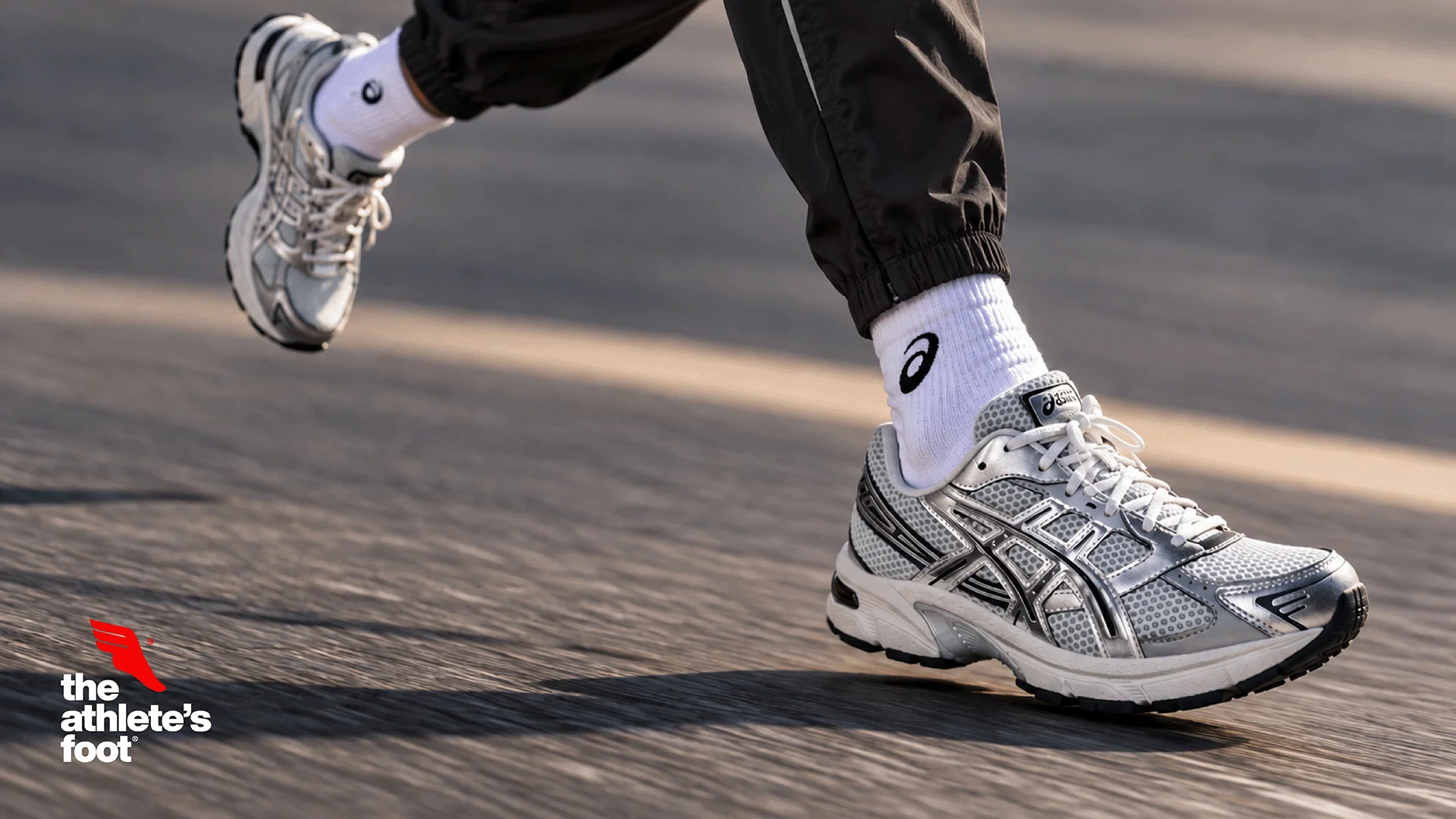
There is a reason runners look forward to fall. After months of humidity, heat and early-morning alarms that somehow still feel too warm, October often brings the first stretch of weather where running begins to feel enjoyable again rather than something to endure.
It is also one of the biggest months on the US running calendar, with the Bank of America Chicago Marathon taking place on October 11 and tens of thousands of runners preparing for 26.2 miles through the city. Even for people with no intention of running a marathon, that broader race-season energy tends to bring more runners back onto the roads, trails and local paths.
It is also one of the biggest months on the US running calendar, with the Bank of America Chicago Marathon taking place on October 11 and tens of thousands of runners preparing for 26.2 miles through the city. Even for people with no intention of running a marathon, that broader race-season energy tends to bring more runners back onto the roads, trails and local paths.
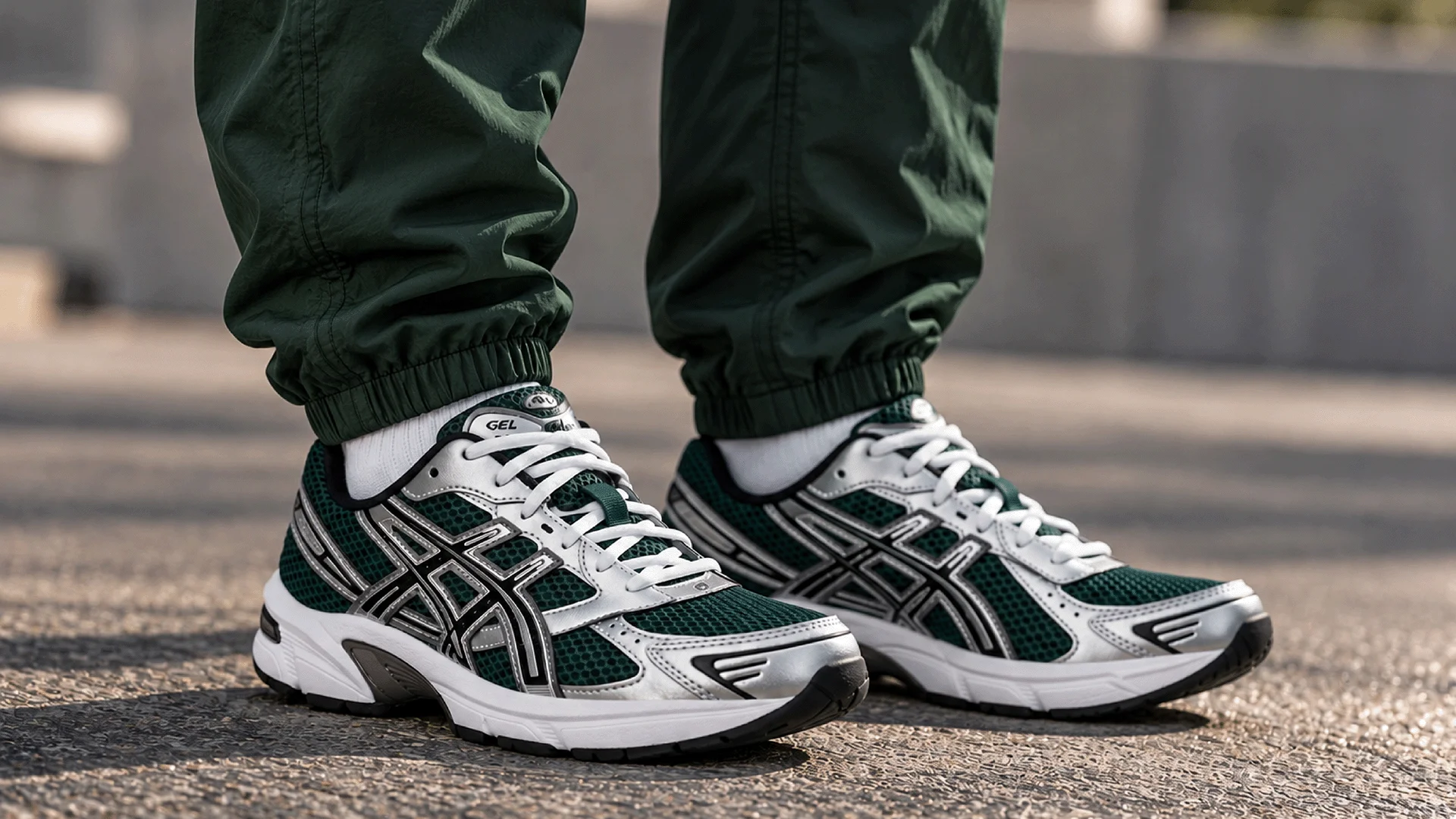
Choosing a running shoe for fall starts with understanding what you actually need it to do. For most people, that means finding one reliable everyday trainer that can handle the majority of their weekly mileage without creating unnecessary complexity. A good daily trainer should feel comfortable from the first few miles, provide enough cushioning for regular use and offer a fit that remains secure without feeling restrictive once your feet begin to warm up.
Longer runs introduce a different set of considerations because small issues become much more obvious as the mileage increases. A shoe that feels perfectly acceptable over three miles can become uncomfortable by mile ten, particularly if the fit is slightly too narrow, the heel moves or the cushioning does not suit the way you run. This is why runners preparing for a half marathon or marathon should spend time in their chosen shoes well before race day rather than assuming a newer pair will automatically perform better.
The same principle applies to race-day footwear. Anyone running Chicago on October 11 should already have tested their shoes over meaningful distances, because race morning is not the time to discover that a seam rubs, the toe box is too tight or the cushioning feels different once fatigue sets in. That advice sounds obvious, but it remains one of the easiest mistakes to make, particularly when a new release arrives close to race day and suddenly looks more appealing than the pair that has already carried you through training.
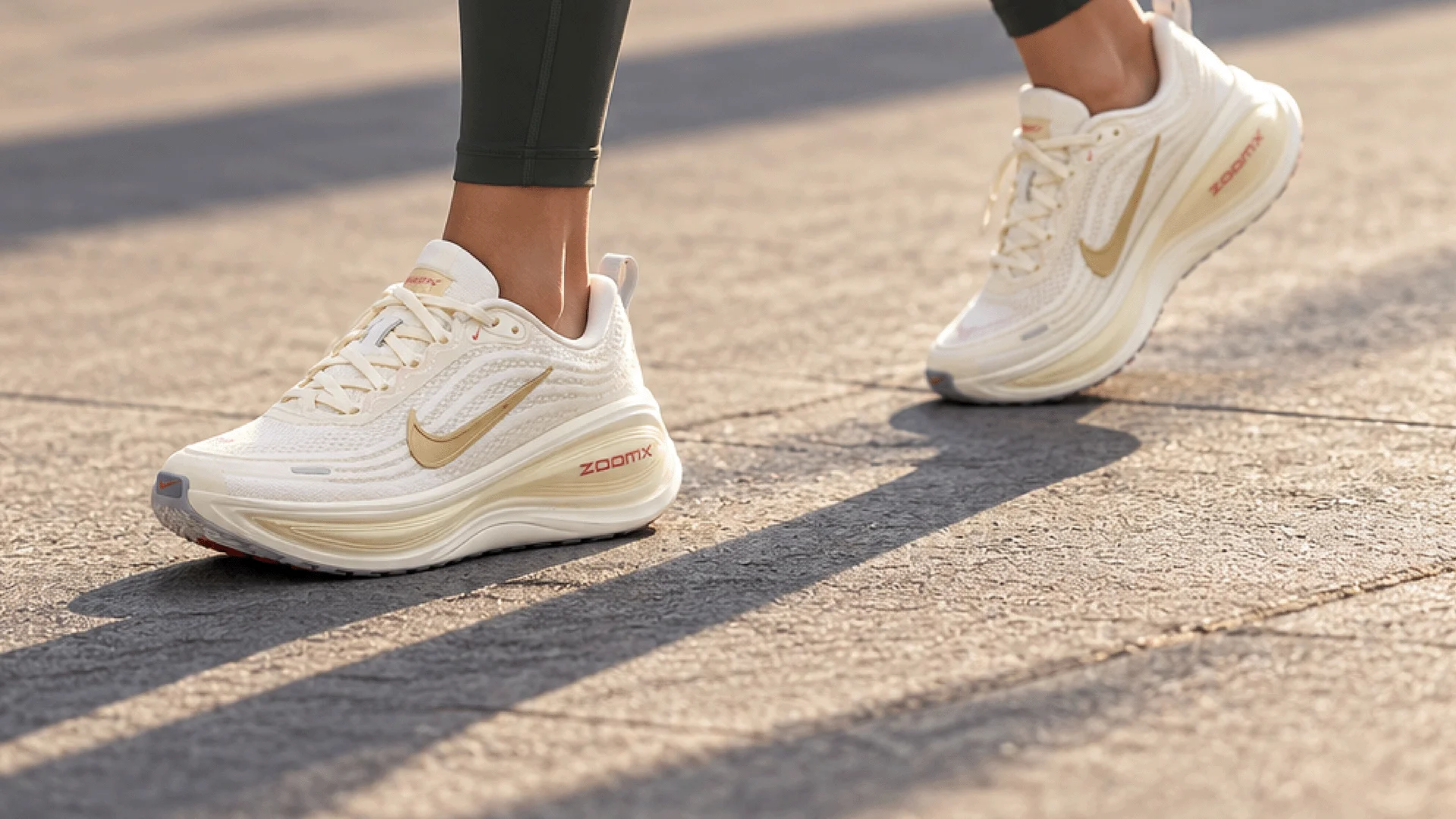
Fall conditions also change the way shoes perform. Cooler temperatures are generally welcome, but wet pavement, fallen leaves, darker mornings and unpredictable weather can make grip and visibility more important than they were during summer. Road runners should pay attention to outsole traction, while anyone regularly moving between pavement and looser surfaces may want something that offers a little more confidence underfoot.
This is also the season when the distinction between a running shoe and a running-inspired lifestyle sneaker becomes increasingly important. Performance aesthetics are everywhere right now, with brands such as ASICS, New Balance and Nike bringing technical silhouettes into everyday fashion. Shoes like the GEL-1130, New Balance 1906 and Nike Zoom Vomero 5 look as natural with denim as they do with activewear, but that does not automatically make them the best choice for serious training.
The difference matters because lifestyle sneakers are often selected for appearance first, while running shoes should be selected around fit, comfort, stability and the way you actually move. There can certainly be overlap, but the smartest approach is to be clear about the role each shoe is expected to play.
Fit should always carry more weight than brand loyalty. It is easy to enter a store convinced that one particular model is right because a friend recommended it, a runner you follow wears it or it is receiving attention online, but feet do not care about hype. Different models, even within the same brand, can vary significantly in width, toe-box shape, heel structure and overall feel.
That is why trying on several options remains important, particularly if you are increasing your mileage or returning to running after a break. Wear the type of socks you usually run in, try both shoes, walk around, jog if possible and pay attention to any immediate pressure points. The ideal running shoe is not necessarily the one you notice most when you first put it on, but the one you stop thinking about after you begin moving.
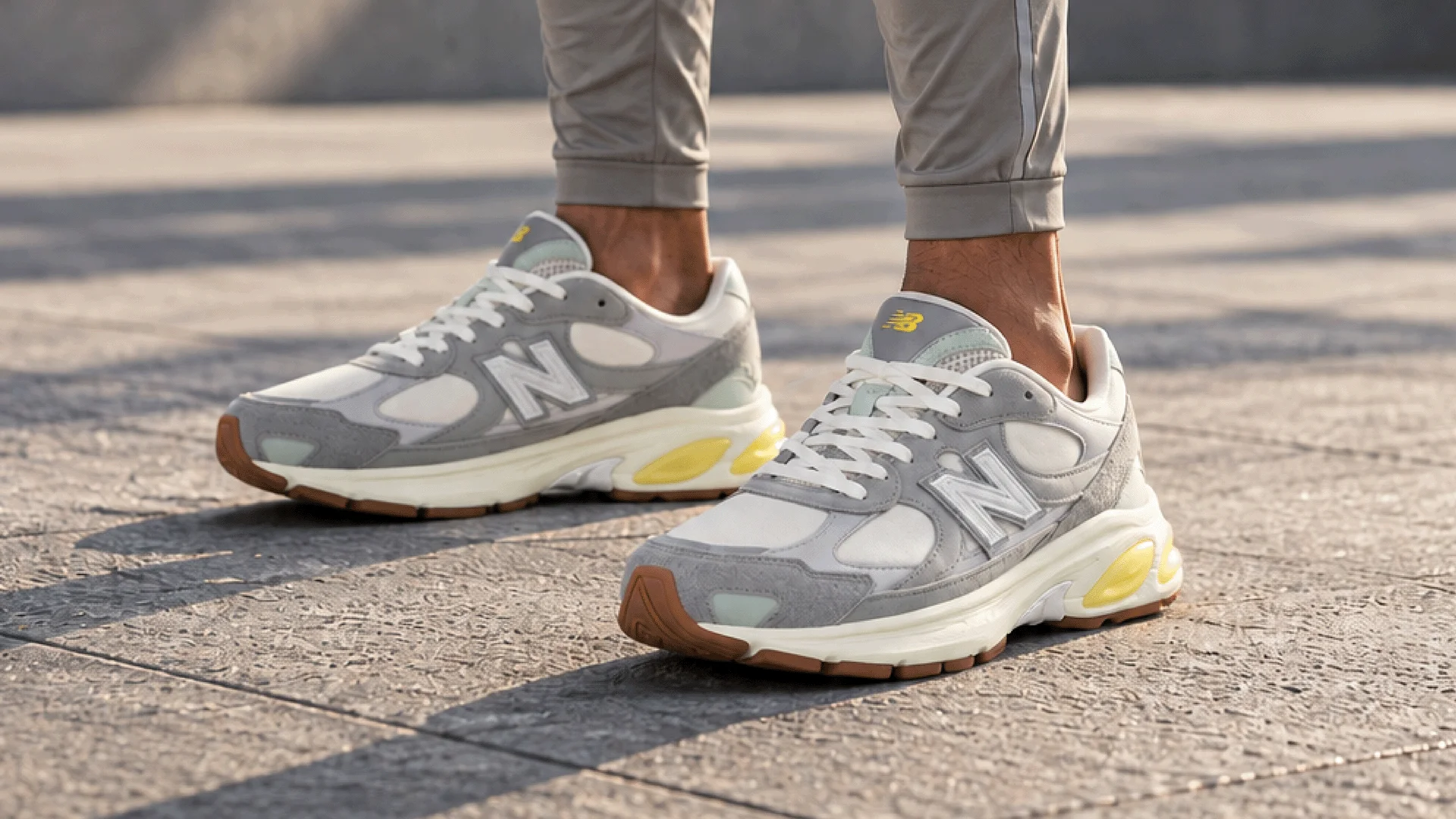
Knowing when to replace a pair is equally important, although there is no universal mileage number that applies to every runner. Body weight, stride, surface, shoe construction and frequency of use all influence how quickly a shoe breaks down. Instead of treating mileage like a countdown, look for gradual changes in the way the cushioning feels, visible outsole wear, changes in comfort or a sense that the shoe no longer performs the way it once did.
October is a particularly good month to start paying attention to these details because fall often makes running feel accessible again. You do not need to be training for Chicago, chasing a personal best or joining a marathon club. A first 5K, a regular Saturday run or even a few miles before work can be enough to rebuild the habit.
The running industry can make the sport look complicated, with endless discussion about carbon plates, pace zones, watches, splits and shoe rotations, but the basic requirement has not changed very much at all.
You need a pair that fits properly, feels good underfoot and gives you one less reason to turn around once you get outside.
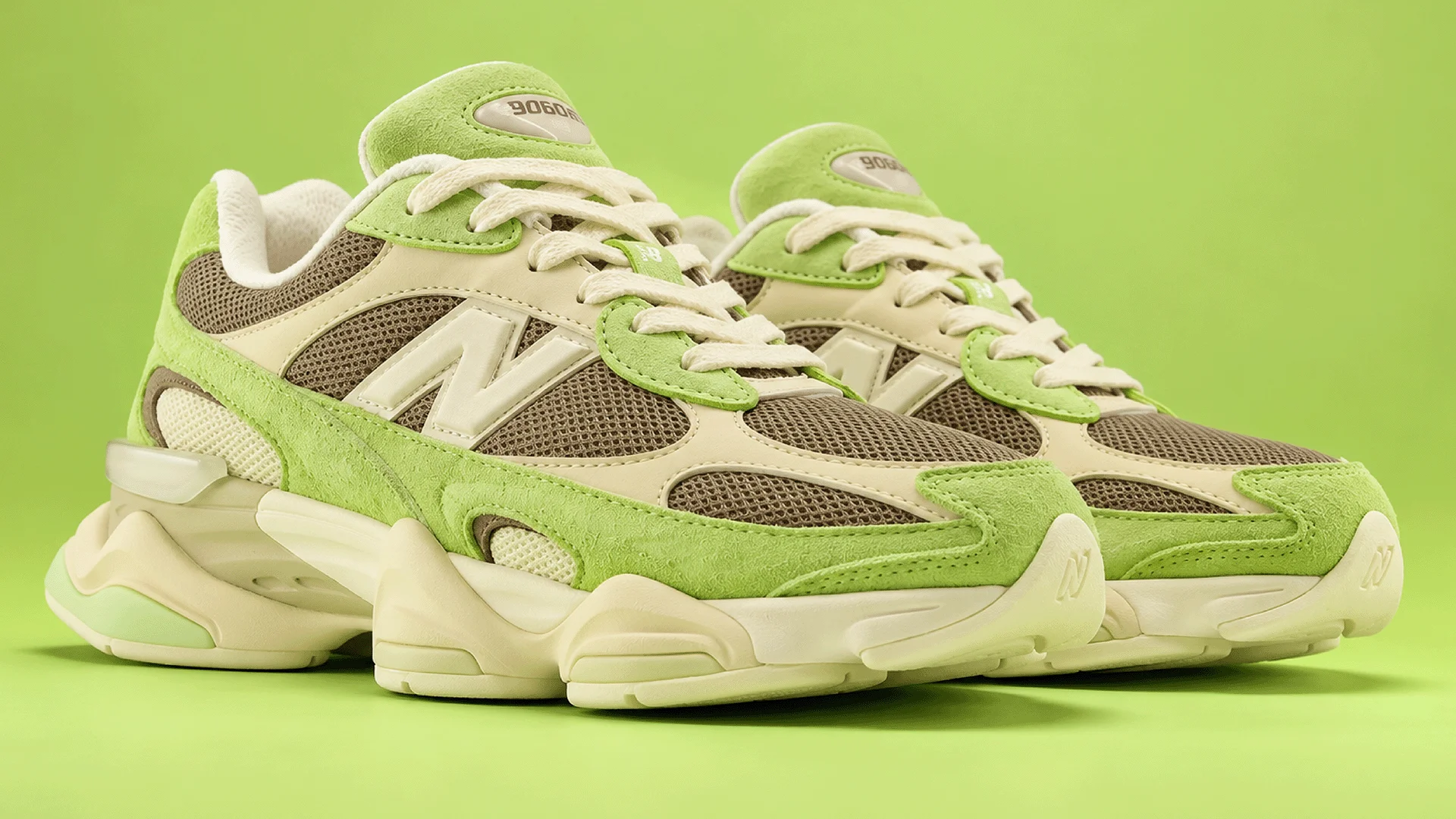
Weather should also influence the decision, because October can vary significantly depending on where you are going. Atlanta can still feel warm early in the month, while Washington, D.C. later in October may already be leaning into colder evenings. That makes layering important, but it also means suede, delicate materials and lighter-colored sneakers are not always the smartest choice if rain is in the forecast.
The most practical Homecoming rotation is usually simpler than people expect. One pair should be comfortable enough to wear all day, one should give the outfit more personality and one should be there as a backup. Anything beyond that depends on how much luggage you are willing to carry.
Homecoming style has always been personal because the weekend itself is personal. People return to reconnect with friends, represent their organizations, celebrate their schools and participate in traditions that existed long before this year's trend cycle. The sneakers are part of that expression, but they do not need to become the whole story.
The best pair is usually the one that feels like you, still feels good hours later and gives you enough confidence to stop thinking about what is on your feet once the weekend gets started.


 Get perks as a TAF member
×
Error

Service
Support
Connect
Subscribe to Newsletter
Subscribe to Newsletter
© 2026 TAF Stores USA