


The Best Sneakers for Walking All Day Without Looking Like Walking Shoes
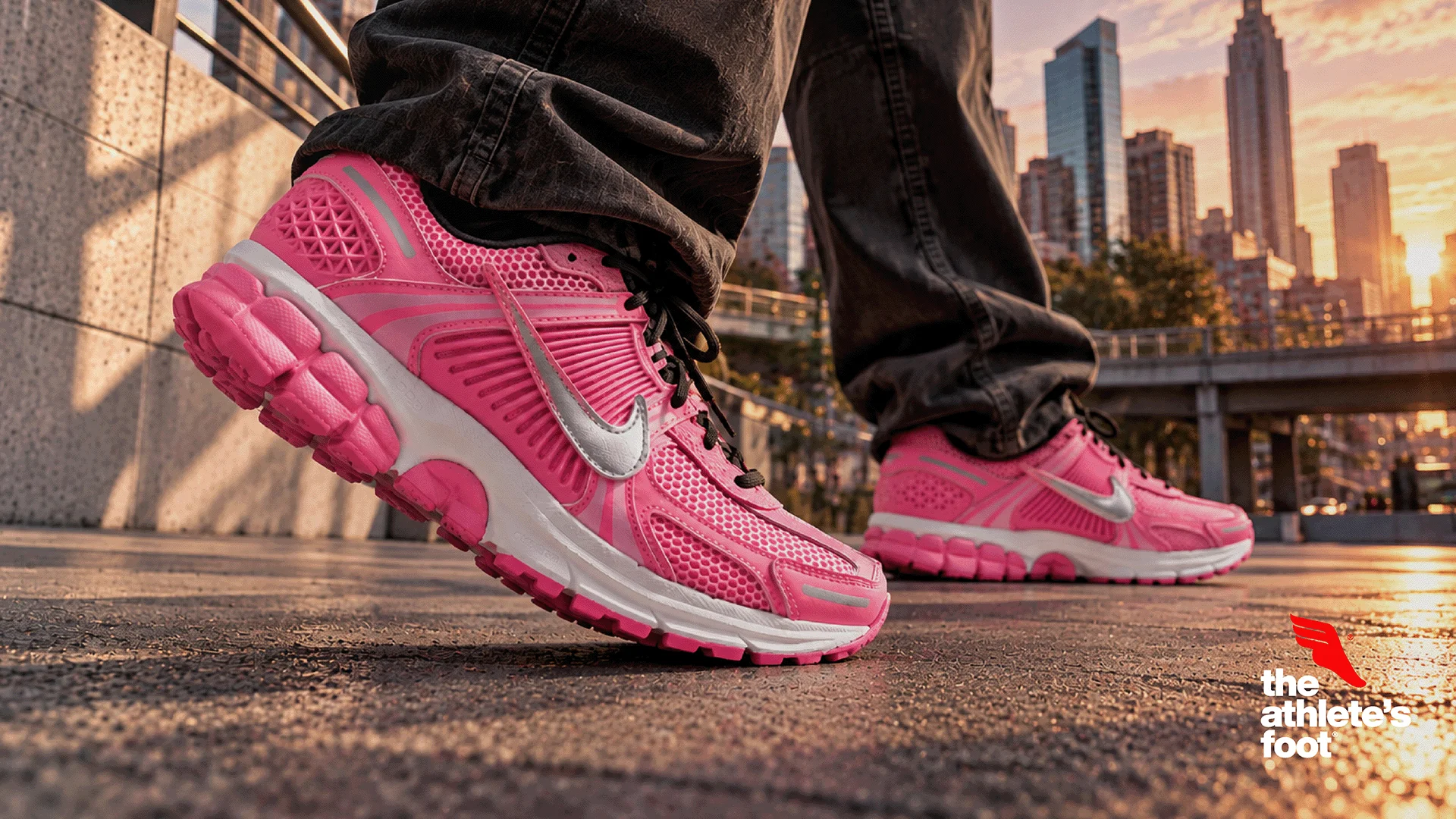
There is a particular kind of sneaker disappointment that only becomes obvious several hours after leaving the house. The shoes looked good in the morning, felt perfectly acceptable while walking to the car and perhaps even survived the first few hours without complaint, but by late afternoon you are thinking less about your plans and more about how quickly you can get home and take them off.
That is why searches for comfortable sneakers and shoes for walking all day remain so persistent. People want footwear that can handle an airport, a full day in the city, a long shift, a weekend away or simply the reality of moving around more, but they do not necessarily want something that looks as though it was prescribed purely for walking.
The good news is that the distinction between a comfortable shoe and a good-looking sneaker has become much smaller.
Technical footwear has become fashionable, performance technology has moved into lifestyle models and brands such as New Balance, ASICS and Nike are increasingly selling shoes that people choose because they like the look and continue wearing because they appreciate how they feel.
Recent walking-shoe coverage reflects the same shift, with models from New Balance, HOKA, Nike and other athletic brands being evaluated as much for all-day versatility as for traditional exercise. The New York Magazine Strategist's latest walking-shoe review, for example, highlights the importance of support, breathability, cushioning and fit while recognizing that consumers increasingly want shoes that can move across different parts of the day.
More cushioning does not automatically mean more comfort
It is tempting to look for the thickest midsole available and assume that more cushioning will automatically make a shoe better for walking, but comfort is more complicated than the amount of foam visible beneath your foot.
A shoe needs to fit the shape of your foot, keep the heel secure, give the toes enough room and feel stable as you move. Someone with a wider foot may have a completely different experience in the same sneaker as someone with a narrow foot, which is why recommendations should always be treated as a starting point rather than a universal answer.
That also explains why trying shoes on properly matters. Your feet can change slightly during the day, particularly after hours of walking, so a sneaker that already feels tight in the morning is unlikely to become more comfortable by dinner.
What makes fall 2026 particularly interesting is that there is no single silhouette dominating the conversation. The oversized sneaker is still around, but it now shares space with much slimmer shapes, retro basketball styles, technical runners and performance-inspired shoes that have moved well beyond the gym and into everyday wardrobes. That mix is giving people far more freedom to build a sneaker rotation around how they actually dress, rather than chasing one trend.
One of the clearest shifts is the continued rise of the low-profile sneaker. The adidas Samba remains the obvious reference point, but its popularity is part of a broader move toward shoes that sit closer to the foot and work easily with wider-leg denim, tailored pants and more considered outfits. Their appeal comes from restraint, which is exactly why they are so easy to wear. The sneaker does not need to dominate the look, because the shape is strong enough to hold its own without competing with everything else.
Retro running shoes are taking the opposite approach. Models inspired by late-1990s and early-2000s performance footwear have moved firmly into lifestyle territory, with mesh, metallic detailing, visible technical construction and chunkier midsoles becoming part of everyday style. Shoes such as the ASICS GEL-1130 have found a second life because they deliver comfort and character at the same time, and they look particularly good against looser silhouettes that are already a major part of current streetwear.
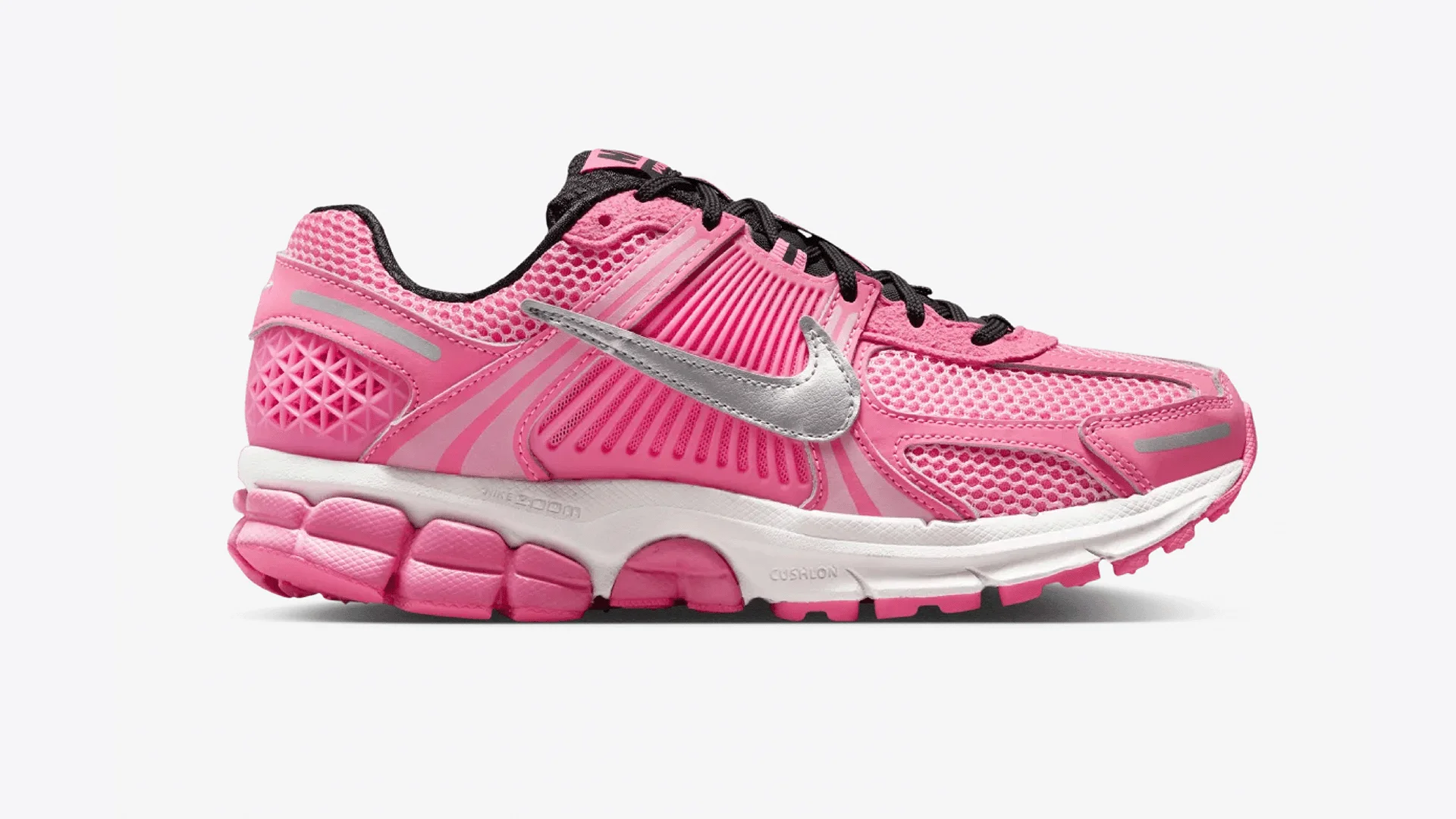
The Nike Zoom Vomero 5 makes technical footwear easy to wear
The Zoom Vomero 5 is a strong example of why performance-inspired footwear has become such a major part of everyday sneaker culture.
The shoe uses a layered mix of mesh, leather and structural elements, while Zoom Air cushioning and a foam midsole give it the kind of underfoot comfort people often want when they know they will be moving for hours. The design is technical enough to be interesting but versatile enough to work with denim, cargos, sweats and other everyday clothing.
That combination matters because a sneaker you can only imagine wearing with workout clothing is less useful for the person searching for one pair to handle an entire day.
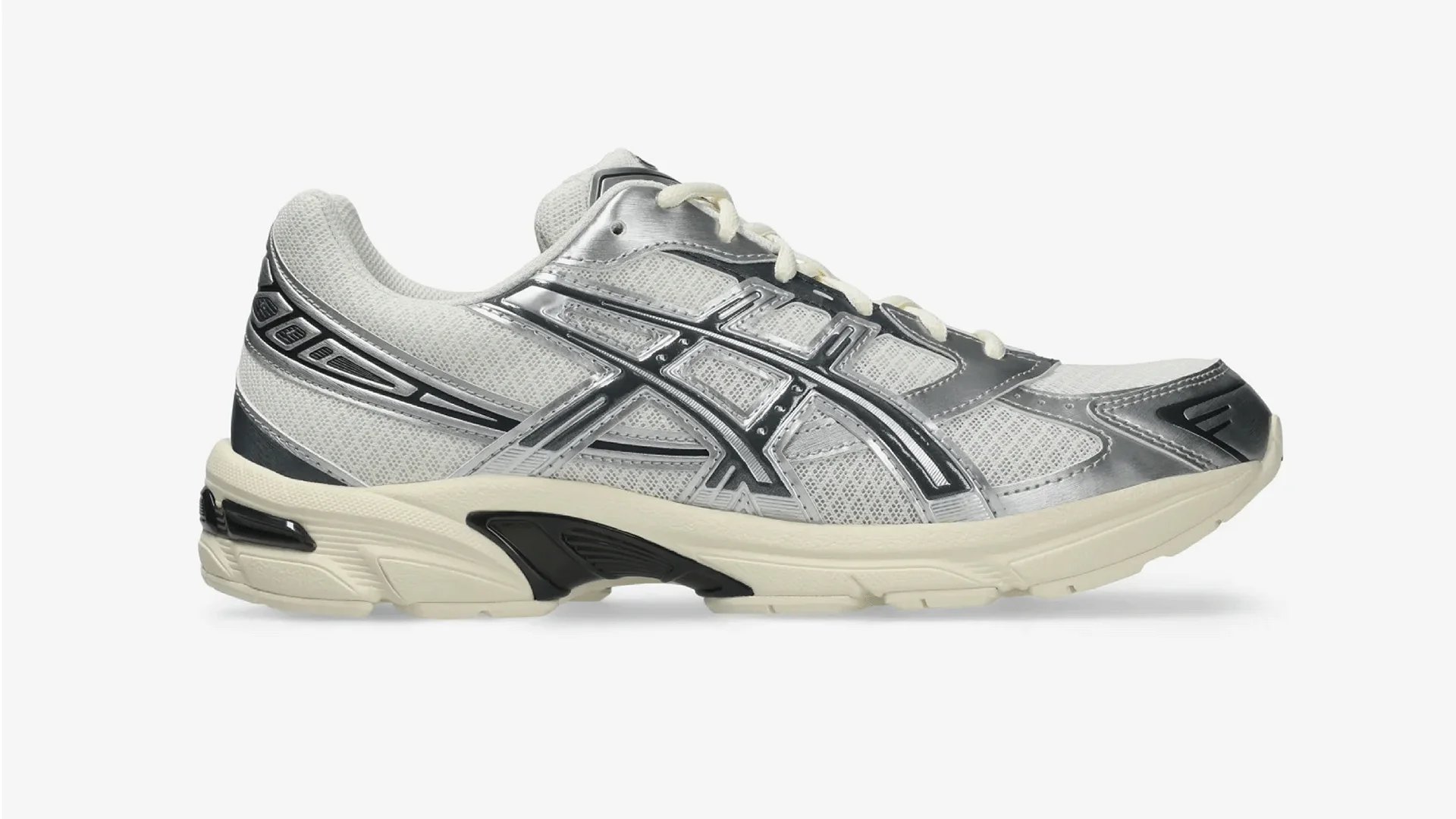
ASICS GEL-1130 proves that old running technology can have a second life
One reason retro runners continue to perform so well as lifestyle sneakers is that their original designs were created around movement.
The ASICS GEL-1130 takes inspiration from a stability running shoe first released in 2008 and retains GEL technology in the heel, but its modern role is just as much about streetwear as sport. The open mesh and layered upper create the technical appearance people currently want, while the running heritage gives the shoe a foundation that was built around being on your feet.
It is a useful reminder that many of today's strongest fashion sneakers did not begin as fashion sneakers at all.
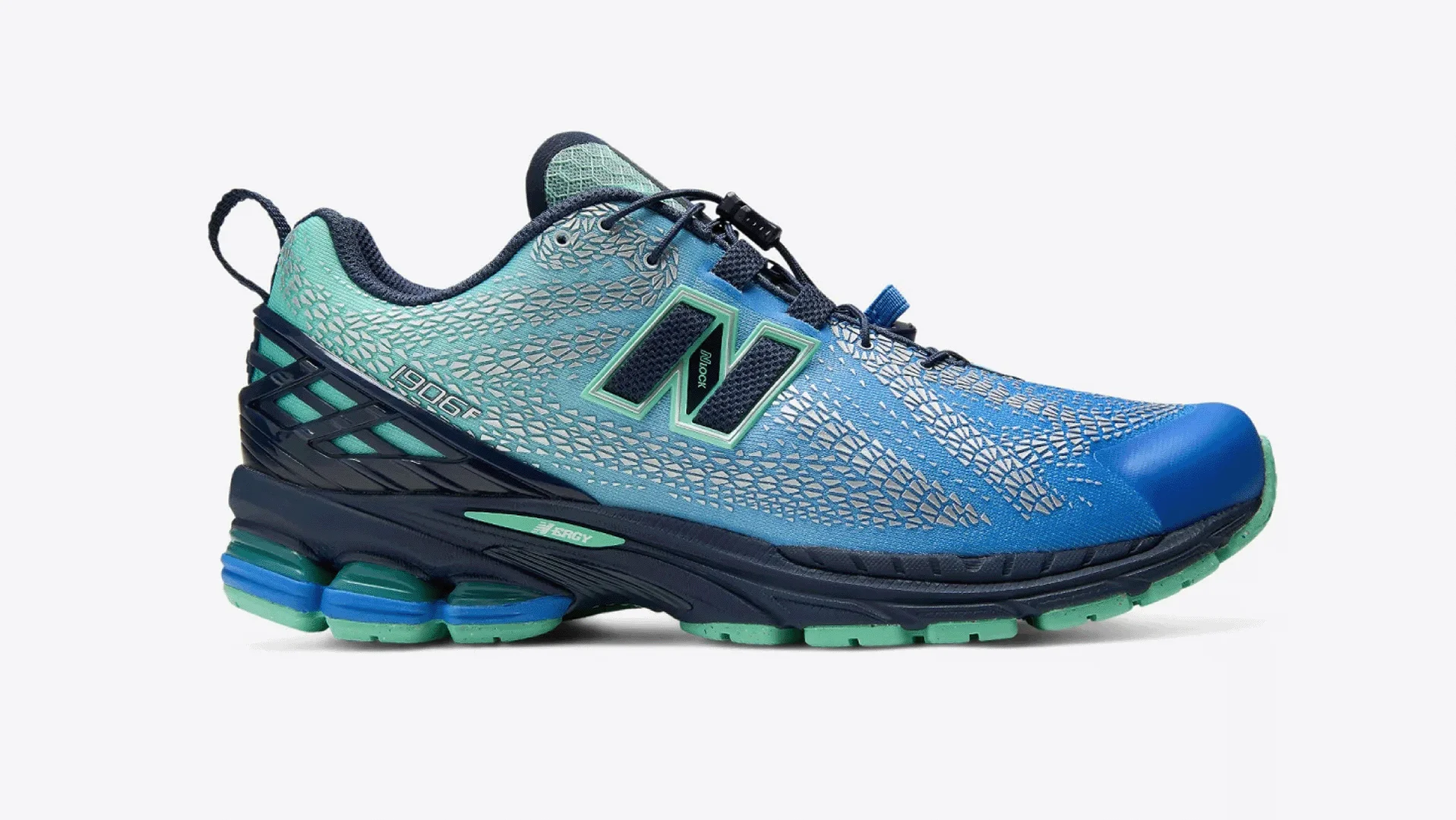
New Balance 1906 brings performance heritage into everyday style
The New Balance 1906 follows much the same logic but with a different aesthetic. Its combination of mesh, synthetic overlays, ABZORB cushioning and N-ergy shock absorption comes from performance-focused design, yet the silhouette has become firmly established as a lifestyle shoe.
For someone who wants a sneaker with more visual detail than a simple leather court shoe, the 1906 can work particularly well because the technical construction becomes part of the look rather than something that needs to be hidden.
This is why so many sneakers that would once have been categorized almost entirely by performance are now appearing in everyday wardrobes.
Breathability becomes more important than people think
When you are walking for an hour, a shoe can feel very different from the way it feels after six.
Materials matter.
Mesh can help keep the shoe lighter and more breathable, while a completely closed leather upper may feel warmer over a long day. That does not mean leather sneakers are uncomfortable, but it does mean the conditions matter.
A day walking through Atlanta in early October is different from walking through Chicago in late November, and the shoe should make sense for where you are actually going rather than simply looking good in a product photograph.
Do not ignore the outsole
Most shoppers spend their time looking at the upper and cushioning because those are the easiest parts of a sneaker to see, but the outsole is the part actually meeting the ground.
If you are walking through a city, traveling or spending hours moving between different surfaces, traction and durability become increasingly important. A sole that feels stable on smooth indoor flooring may behave differently on wet pavement, while a heavily worn outsole can change the way the shoe feels even if the upper still looks good.
This becomes particularly relevant in fall when rain, leaves and changing temperatures can make everyday surfaces less predictable.
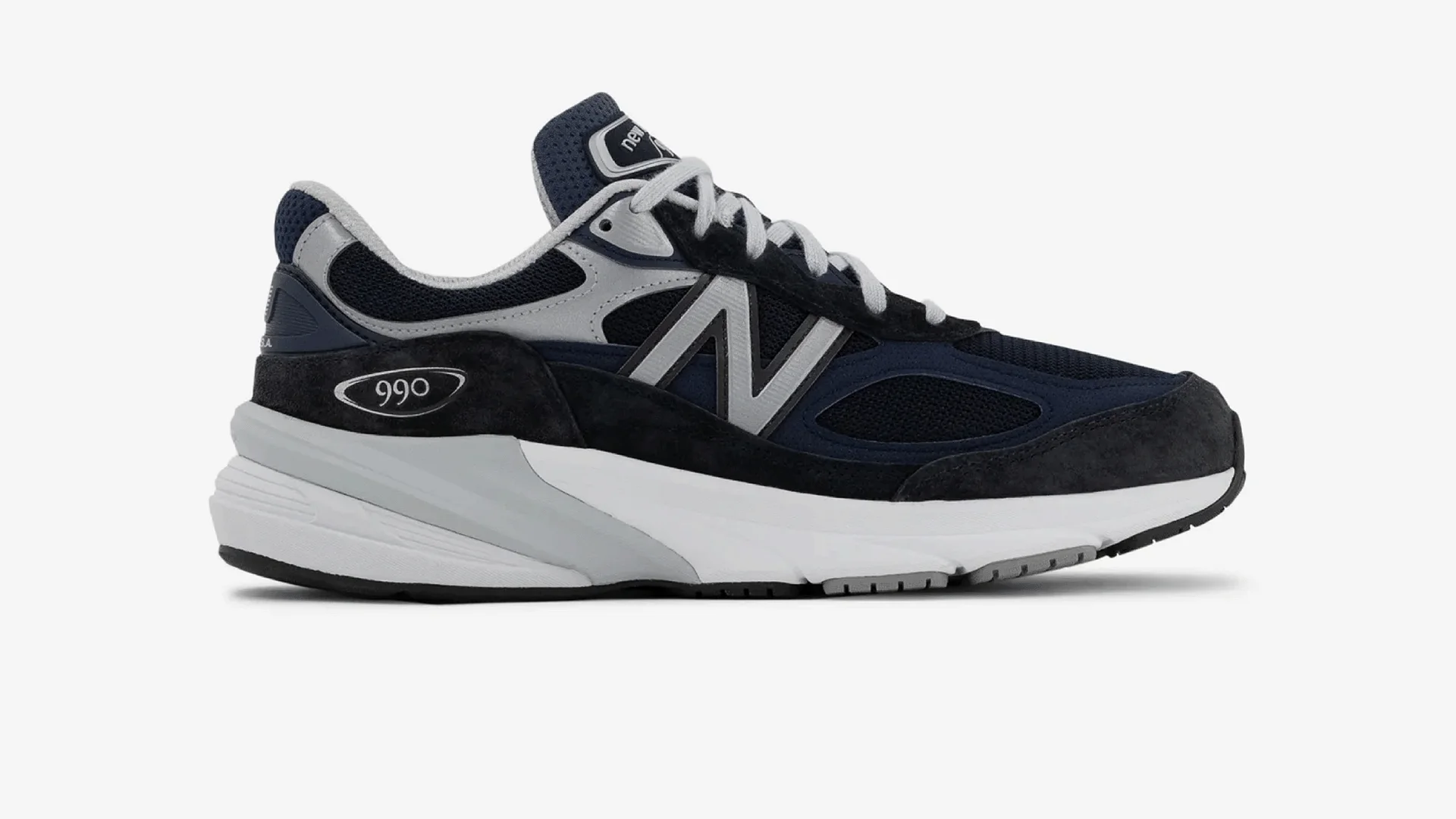
A comfortable sneaker should still look like something you want to wear
The reason the current sneaker market is so interesting is that consumers no longer have to make the same trade-off between appearance and comfort.
A technical runner can now be the shoe that completes the outfit.
A New Balance 1906 does not need to be hidden beneath gym clothes. An ASICS GEL-1130 works with denim. A Vomero 5 can be worn with cargos or wide-leg pants without looking as though you are heading out for a run.
That change is also influencing broader fall fashion, with technical sneakers continuing to sit alongside much slimmer footwear even as low-profile silhouettes become more popular.
The best walking sneaker is the one you stop thinking about
There is no single shoe that will be perfect for everyone, and any list claiming otherwise is ignoring how different feet can be.
The more useful way to choose is to consider how long you will wear the shoe, how much walking you actually do, whether you need more or less cushioning, the width of your foot and whether the sneaker feels stable rather than simply soft.
Then think about your wardrobe.
If the shoe feels incredible but you never want to wear it because it does not look like you, it will spend most of its life in the closet. If it looks incredible but you start thinking about your feet after ninety minutes, it has the opposite problem.
The sweet spot is the sneaker you put on in the morning, wear through whatever the day becomes and only remember you are still wearing when someone asks where you got them.


 Get perks as a TAF member
×
Error

Service
Support
Connect
Subscribe to Newsletter
Subscribe to Newsletter
© 2026 TAF Stores USA