


Low-Profile Sneakers or Retro Runners? The Two Fall Sneaker Trends Taking Over 2026
For the past few years, sneaker trends have generally been easy to spot because the dominant silhouettes have tended to move in the same direction. Shoes became bigger, midsoles became thicker and the so-called dad sneaker went from being something people made jokes about to something almost every major footwear brand wanted in its collection.
Fall 2026 feels different because two of the strongest sneaker trends are moving in completely opposite directions.
On one side are the low-profile sneakers that sit close to the ground, feel lighter on the foot and borrow heavily from vintage soccer, indoor court and training footwear. On the other are retro runners with mesh uppers, visible technical components, layered construction and the kind of performance detailing that would have looked completely at home in a running catalogue from the late 1990s or early 2000s.
Current fall fashion coverage is pointing to both movements at once, with slim-profile sneakers gaining ground while technical and retro running silhouettes continue to attract buyers who still want more shape and visual interest from their footwear. USA Today has similarly identified retro basketball shoes, running-inspired sneakers and slim-profile styles as three of the clearest footwear directions for fall 2026.
That leaves a fairly obvious question for anyone thinking about their next pair. Which one actually suits the way you dress?
Why low-profile sneakers have taken off
Low-profile sneakers make sense after several years of larger, more exaggerated footwear because fashion has a habit of reacting against whatever became too familiar. Once chunky sneakers appeared everywhere, the cleaner alternative suddenly started to feel new again.
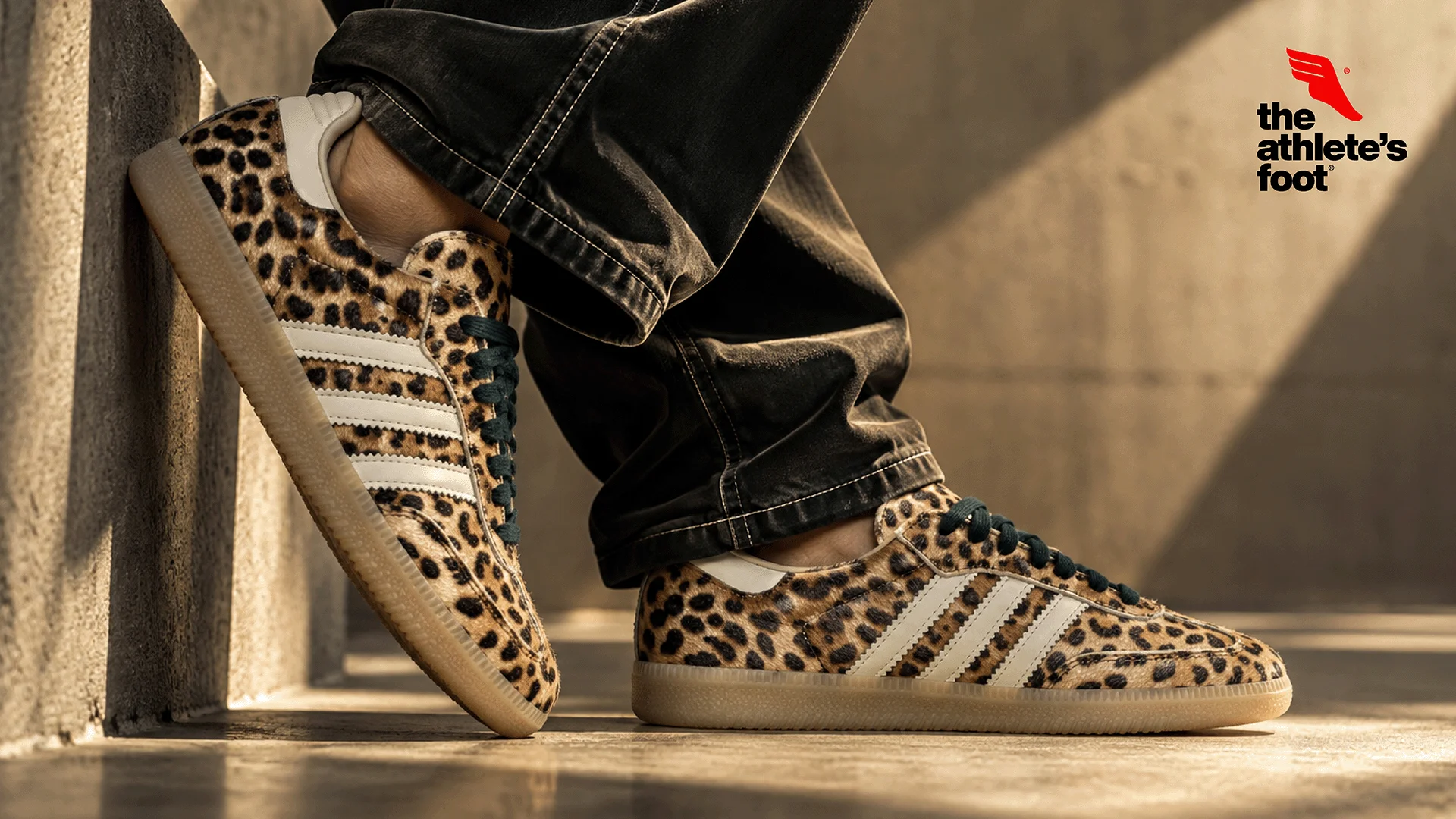
The adidas Samba has been one of the most visible examples of that shift, but the appeal of the silhouette goes well beyond one particular model. The shoe sits close to the foot, has relatively little visual bulk and works particularly well with the wider pants, straight-leg denim and relaxed tailoring that continue to shape everyday style.
The Athlete's Foot currently carries the Samba OG across several colorways, including the familiar black, white and gum combinations that have helped make the style so easy to wear. The design began as a sports shoe, but its leather upper, suede overlays and low-profile gum sole have allowed it to move far beyond the soccer pitch.
What makes this category attractive is that the sneaker does not need to become the focal point of the outfit. If the jacket has more detail, the pants are wider or the overall look is already doing enough, a slimmer sneaker can bring everything together without competing for attention.
That restraint is part of the reason low-profile shoes have become so useful rather than simply fashionable.
Retro runners are doing almost the opposite
Where a Samba pulls the eye downward and keeps things clean, a retro runner usually wants you to notice the shoe.
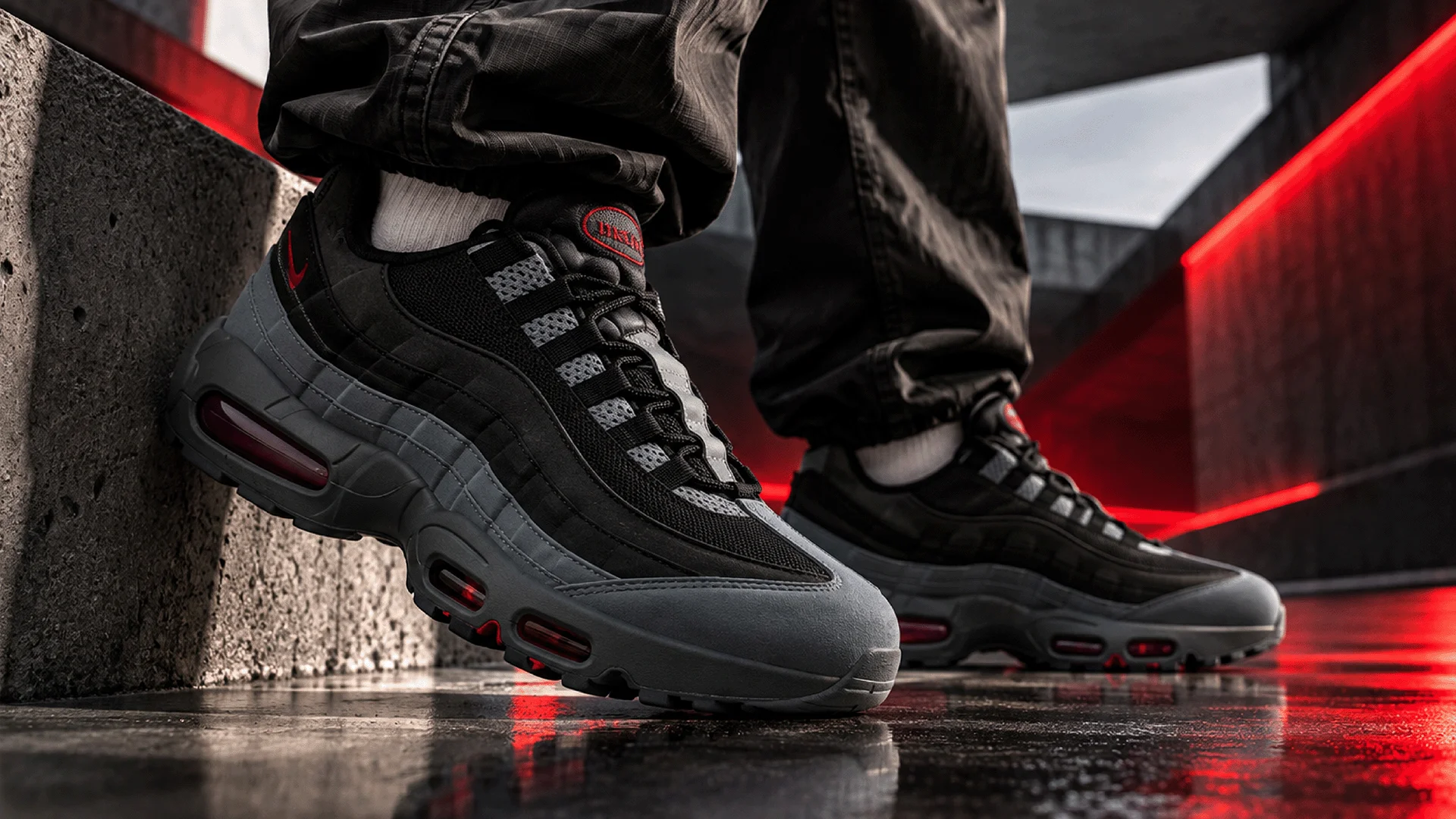
Think mesh panels, metallic overlays, cushioning technology, molded heel structures and midsoles that look like they were engineered rather than simply drawn. The styling comes directly from performance footwear, even when the shoe is now being worn to work, brunch or a night out rather than on a running track.
The ASICS GEL-1130 is a good example because its design goes back to a stability running shoe from 2008, but the modern lifestyle version preserves the technical look while using GEL technology in the heel to keep the shoe comfortable for everyday wear.
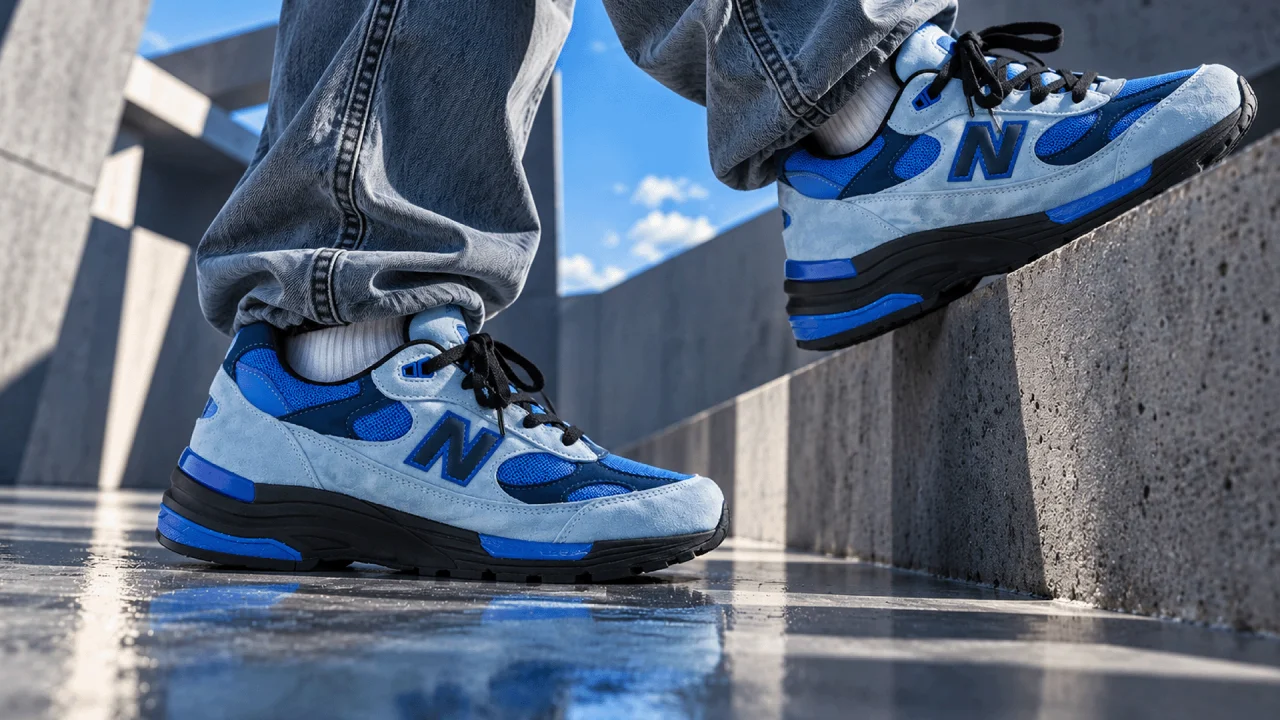
New Balance has followed a similar path with models such as the 1906, which draws heavily from performance-running design and combines ACTEVA LITE cushioning, ABZORB, N-ergy and a technical mesh upper. What once looked like a highly functional piece of running equipment now fits naturally into contemporary streetwear.
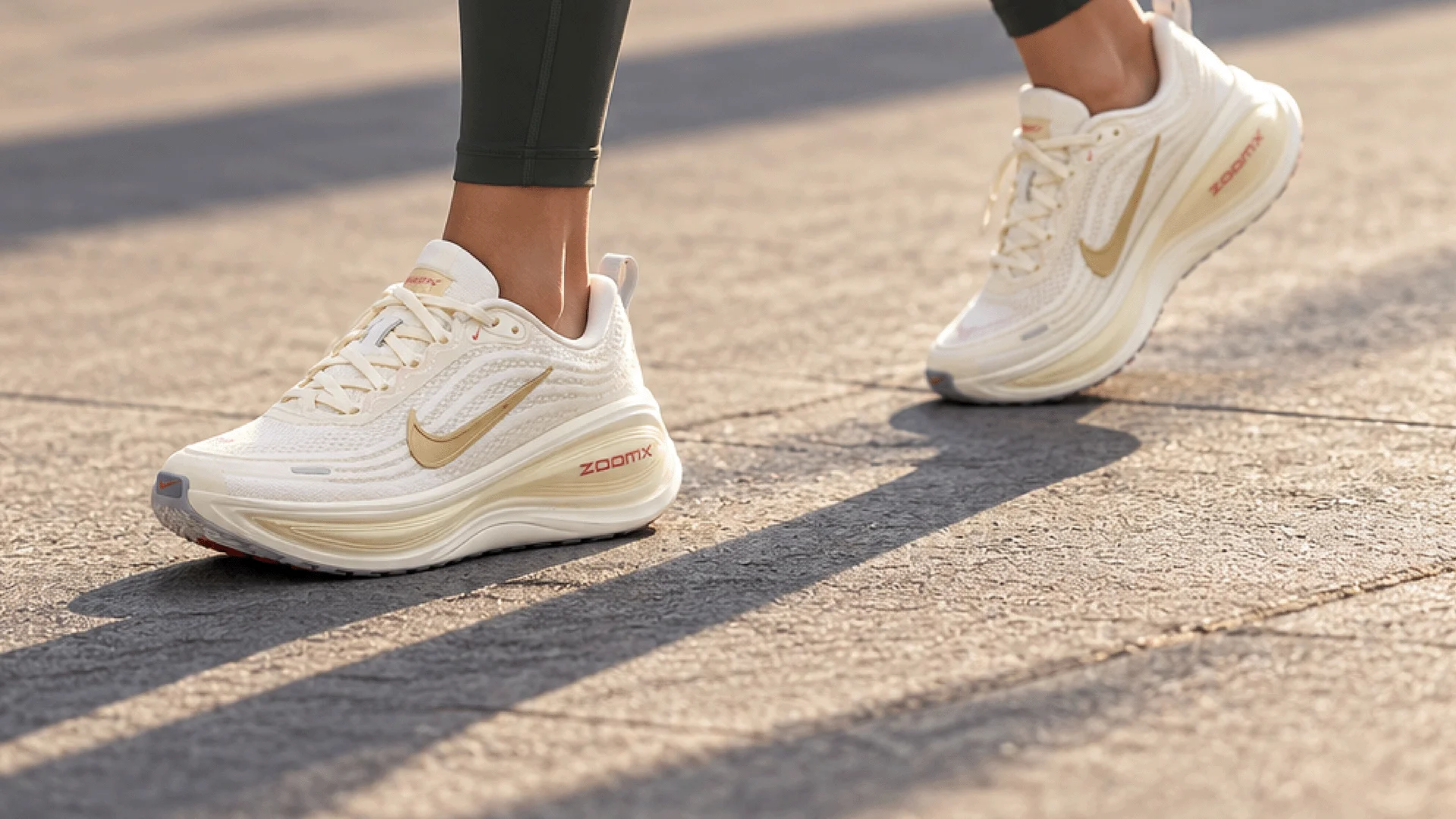
Nike's Zoom Vomero 5 sits in the same broad category, combining a layered upper, mesh, visible structure and Zoom Air cushioning in a silhouette that has become far more common on city streets than many people would have predicted when technical runners first started moving back into fashion.
The real difference is proportion
When people talk about sneaker trends, they often focus on brands and colorways, but proportion usually explains much more about why one shoe works with an outfit and another does not.
A slim sneaker tends to extend the line of the leg and allows wider pants or longer hems to sit more naturally over the shoe. It can make an outfit feel slightly cleaner and less athletic, even when the shoe itself has sporting origins.
A retro runner gives the bottom of the outfit more weight. That can work particularly well with looser jeans, cargos, sweats and oversized outerwear because the shoe has enough substance to balance everything above it.
Neither approach is better. They simply create a different silhouette.
If your closet has moved toward wider jeans, cropped jackets, track pants and oversized hoodies, a technical runner may feel completely natural. If you are wearing straighter pants, cleaner layering, skirts or something more tailored, a lower-profile shoe might make more sense.
The sneaker should work with the clothes you already own rather than forcing you to rebuild your wardrobe around it.
Fall conditions also change the way shoes perform. Cooler temperatures are generally welcome, but wet pavement, fallen leaves, darker mornings and unpredictable weather can make grip and visibility more important than they were during summer. Road runners should pay attention to outsole traction, while anyone regularly moving between pavement and looser surfaces may want something that offers a little more confidence underfoot.
This is also the season when the distinction between a running shoe and a running-inspired lifestyle sneaker becomes increasingly important. Performance aesthetics are everywhere right now, with brands such as ASICS, New Balance and Nike bringing technical silhouettes into everyday fashion. Shoes like the GEL-1130, New Balance 1906 and Nike Zoom Vomero 5 look as natural with denim as they do with activewear, but that does not automatically make them the best choice for serious training.
The difference matters because lifestyle sneakers are often selected for appearance first, while running shoes should be selected around fit, comfort, stability and the way you actually move. There can certainly be overlap, but the smartest approach is to be clear about the role each shoe is expected to play.
Fit should always carry more weight than brand loyalty. It is easy to enter a store convinced that one particular model is right because a friend recommended it, a runner you follow wears it or it is receiving attention online, but feet do not care about hype. Different models, even within the same brand, can vary significantly in width, toe-box shape, heel structure and overall feel.
That is why trying on several options remains important, particularly if you are increasing your mileage or returning to running after a break. Wear the type of socks you usually run in, try both shoes, walk around, jog if possible and pay attention to any immediate pressure points. The ideal running shoe is not necessarily the one you notice most when you first put it on, but the one you stop thinking about after you begin moving.
Comfort also changes the decision
There is another reason retro runners are refusing to disappear, and it has very little to do with fashion.
People like comfortable shoes.
Once consumers become accustomed to cushioning, breathable mesh and footwear that feels good after several hours of walking, convincing them to give all of that up simply because a slimmer silhouette has become fashionable is difficult.
That is why fall 2026 is not really a story about low-profile sneakers replacing technical shoes. It is about both categories finding an audience at the same time.
Someone might wear a Samba to dinner on Friday and a Vomero 5 while walking around the city on Saturday. The same person cn like both styles because sneakers no longer have to perform exactly the same role.
There is also room between the two
One of the more interesting developments in footwear is how quickly brands are beginning to blur the categories.
The adidas Samba Jane, currently carried by The Athlete's Foot, takes the familiarity of the Samba and reworks it through a Mary Jane-inspired construction, creating something that sits somewhere between sneaker heritage and the broader movement toward hybrid footwear.
Fall fashion is increasingly full of these combinations, with sneakerinas, technical ballet-inspired shoes and other shapes appearing alongside conventional runners and court sneakers. That willingness to mix references suggests the current sneaker cycle may remain more varied than the periods when one shape dominated almost everything else.
So which one should you buy?
If you want the easiest answer, look at the pants you wear most often.
If your wardrobe is built around simple denim, tailored pants, skirts and cleaner silhouettes, a low-profile sneaker will probably give you more combinations without much effort. If you lean toward relaxed streetwear, cargos, wide-leg denim and athletic pieces, a retro runner gives the outfit more balance and generally offers the cushioning people want when they are going to be on their feet for longer.
There is also nothing wrong with owning both, particularly because they solve different wardrobe problems.
The mistake would be buying a shoe simply because everyone else is talking about it, then discovering that nothing you own looks right with it.
The best sneaker trend is usually the one that makes the clothes already hanging in your closet look better, and fall 2026 is giving people enough options to choose rather than simply follow.


 Get perks as a TAF member
×
Error

Service
Support
Connect
Subscribe to Newsletter
Subscribe to Newsletter
© 2026 TAF Stores USA